The collective · Singapore

A small collective, formed in 2026.

We are practitioners who came together to teach working teams how to use AI tools inside the jobs they already have. We run programmes, sit with groups on live tasks, and write the documentation they keep when we leave. This page is about how we organised, why we work from Singapore, and what we will and will not agree to.

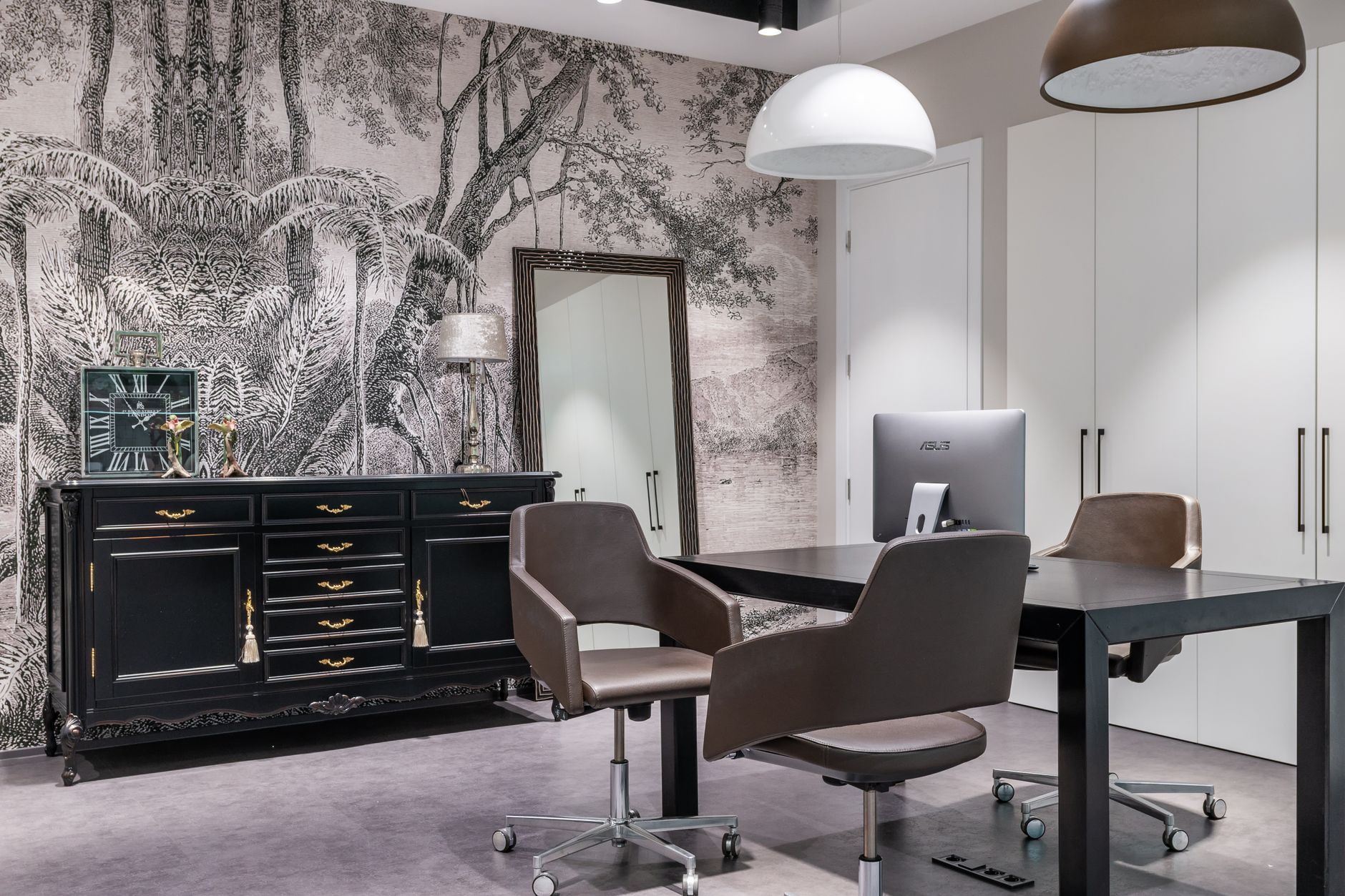
Our office

How we formed

In 2026 a handful of us who had been running AI training inside organisations — separately, on different floors, with different slides — decided the work needed a shared method. Each of us had seen the same pattern: a team buys licences, attends a demo, and then goes back to the same documents with no routine for checking, grounding or handing work between people. The training that stuck was never the theatre. It was the afternoon spent on one recurring task, with two people in the room and a written note at the end.

We organised as a collective rather than a personality-led studio. Delivery is always in teaching pairs. Materials are written so another pair in the group can pick them up. We do not publish biographies or a team page, because the offer is the method, not a roster of names. When you book us, you book a programme with a documented format, a scoping conversation, and a handover pack your own people can maintain.

The first year has been spent tightening that format: the task audit before any teaching, the verification steps most courses skip, and the rule that we will not run a session without a named business task on the table. Everything on this site describes that practice as we run it now, from Singapore, for teams in the region and online.

Why Singapore

Singapore is where we deliver most of the on-site work. The city sits in a regional client base of operations, support, finance, legal-ops, marketing and public-sector groups who already work in English and often in more than one language at the desk. That mix matters for AI fluency: a prompt that works in one register can fail in another, and a review checklist has to survive the way people actually write, not the way a demo file is written.

There is a strong appetite here for practical upskilling rather than tool tours. Teams of twenty to a few hundred people can protect a half-day or a six-week slot if the work is tied to documents they already own. We run sessions in your office, in a hired room nearby, or online for groups spread across the region. Recordings happen only by agreement, and only when the material in the room is suitable to keep.

Being based at Mohamed Sultan Road keeps the studio small on purpose. We do not operate a large training hall. When a programme needs space, we come to you or we book a room for the days we are teaching. The rest of the work — scoping, documentation, the 30-day follow-up — runs from this address and over a call.

Team meeting

What we believe about training

Adults learn on their own material. A slide about “better prompts” fades by Thursday. A two-hour block spent rewriting last month’s customer replies, with the source thread open beside the model, is still in the team’s muscle a month later. That is why every format we offer starts with a task audit and why we ask for representative documents before the first teaching session. If we cannot see the work, we cannot teach the work.

Verification is a skill, not an attitude. Telling people to “be careful” does not stop a fabricated citation or a number that never appeared in the spreadsheet. We teach a source check that can be written down: what to compare, where to look, when to stop and escalate, and how to mark an output that has not been checked. Review has to live in the routine, or it leaves with us.

A programme that leaves no documentation leaves nothing. We write with the group: an adapted prompt library, an output review checklist, a short internal guide in the team’s own language, and a list of tasks we recommend not automating. The 30-day follow-up exists to see whether that pack is still open on someone’s desk. If it is not, the programme did not finish, however lively the sessions felt at the time.

Working with us

An engagement starts with a thirty-minute scoping call. We want to hear the function, the approximate group size, the tools you already licence, and the tasks that are eating time or creating risk. After that we send a short written proposal: format, number of sessions, what we will need from you, and a price. We quote per programme. There is no per-seat resale of software.

What we need from your side is modest and non-negotiable. A sponsor who can protect time. Access to representative documents — redacted if they must be — so the audit is real. Participants who can bring one recurring task and stay with it across the sessions. If those three things are missing, the clinic becomes a demo and we will say so before we book the room.

We will not agree to sessions with no named task, hands-on groups larger than twenty-five, or vendor-sponsored content. We will not build software for you, and we will not sell or resell tools. If a request sits outside those lines we will decline it and, where we can, point you toward a format that does fit. The programmes page sets out the four formats we currently run; the method page describes the audit, the pairs, the practice blocks and the handover pack in more detail.

Independence

We take no commission from tool vendors. We teach on whatever you already use: general assistants, document-grounded search, spreadsheet tools, meeting notes, internal search. If a product is a poor fit for a given task we will say so in the audit, not because we prefer another brand, but because the third pile in that audit — work that should not go near a model at all — is part of the job.

Client documents stay yours. We do not retain them after an engagement. Material we bring into the room is our own. Confidentiality is discussed in the scoping call and written into the proposal. For a plain account of how we handle enquiry data on this site, see the Privacy notice. For how programmes are booked and what happens to intellectual property, see the Terms.

If you want to test whether we are a fit, write with the size of the team, the function, and one task that is currently slow, uneven or risky. We reply within one working day, Monday to Friday, and we will tell you honestly whether a clinic, a cohort, a sprint or a briefing is the right next step — or whether you should wait until the work is clearer.